


Healthy Eating Tips for Young Karate Practitioners
- Joseph Fanning
- Mar 9
- 3 min read
Karate is a demanding sport that requires strength, agility, and focus. For kids practicing karate, proper nutrition plays a key role in supporting their energy levels, muscle recovery, and overall performance. Without the right fuel, young karate practitioners may feel tired, struggle to concentrate, or face slower progress in their training. This post offers practical nutrition advice tailored to children involved in karate, helping parents and caregivers support their young athletes effectively.

Why Nutrition Matters for Kids in Karate
Karate training involves bursts of intense activity, coordination, and mental focus. Kids need a steady supply of nutrients to:
Maintain energy during practice and competitions
Build and repair muscles after workouts
Support brain function for learning new techniques
Keep the immune system strong to avoid illness
A diet rich in whole foods, balanced macronutrients, and adequate hydration helps young karatekas stay active and healthy.
Key Nutrients for Young Karatekas
Carbohydrates for Energy
Carbohydrates are the primary fuel source for physical activity. Kids should eat complex carbs such as:
Whole grain bread, pasta, and rice
Oats and cereals with low sugar
Fruits like bananas, apples, and berries
Vegetables including sweet potatoes and carrots
These foods provide slow-releasing energy, preventing fatigue during training sessions.
Protein for Muscle Repair
Protein supports muscle growth and recovery after karate practice. Good protein sources include:
Lean meats like chicken and turkey
Fish such as salmon or tuna
Eggs and dairy products like yogurt and cheese
Plant-based options like beans, lentils, and tofu
Including protein in every meal helps young athletes rebuild muscle tissue.
Healthy Fats for Brain and Joint Health
Fats are essential for brain development and joint lubrication. Encourage kids to consume:
Nuts and seeds (in age-appropriate portions)
Avocado slices
Olive oil or canola oil in cooking
Fatty fish rich in omega-3s
These fats support concentration and reduce inflammation from training.
Vitamins and Minerals for Overall Health
Micronutrients like calcium, iron, and vitamin C are vital for bone strength, oxygen transport, and immune defense. Include:
Dairy or fortified plant milk for calcium
Leafy greens like spinach and kale for iron and vitamins
Citrus fruits and bell peppers for vitamin C
A colorful plate usually covers these needs well.
Meal Timing and Hydration Tips
Before Training
A light meal or snack 1 to 2 hours before karate helps maintain energy. Examples:
Banana with peanut butter
Whole grain toast with cheese
Yogurt with berries
Avoid heavy or greasy foods that may cause discomfort.
During Training
For sessions longer than an hour, small sips of water or an electrolyte drink keep hydration balanced. Avoid sugary sodas or energy drinks.
After Training
Refuel within 30 to 60 minutes after practice with a mix of carbs and protein to aid recovery. Good options:
Turkey sandwich on whole grain bread
Smoothie with milk, fruit, and protein powder
Cheese and whole grain crackers
Hydration Throughout the Day
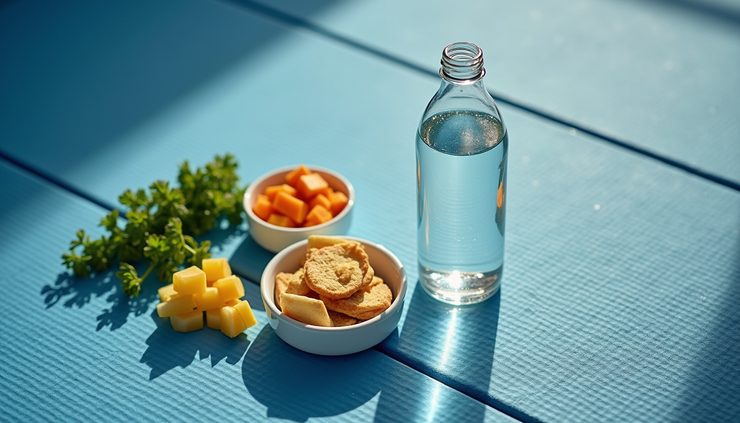
Encourage kids to drink water regularly, aiming for about 6 to 8 cups daily, more on training days.
Practical Tips for Parents and Caregivers
Plan balanced meals with a variety of food groups to cover all nutrient needs.
Pack nutritious snacks for karate classes or tournaments to avoid unhealthy temptations.
Involve kids in meal prep to teach them about healthy eating and build good habits.
Limit processed foods and sugary treats that can cause energy crashes.
Encourage regular hydration by providing a water bottle during practice.
Observe individual preferences and allergies to tailor nutrition safely.
Sample Daily Meal Plan for a Young Karate Student
| Meal | Example Foods |
|---------------|-------------------------------------------------|
| Breakfast | Oatmeal with milk, sliced banana, and almonds |
| Mid-morning | Apple slices with cheese |
| Lunch | Grilled chicken wrap with veggies and hummus |
| Afternoon | Yogurt with mixed berries |
| Pre-training | Whole grain toast with peanut butter |
| Post-training | Smoothie with milk, spinach, banana, and protein powder |
| Dinner | Baked salmon, quinoa, steamed broccoli |
This plan balances energy, protein, and nutrients to support karate training and growth.

Supporting young karate practitioners with proper nutrition helps them perform better, recover faster, and enjoy their sport more. By focusing on balanced meals, smart snacks, and hydration, parents can give their kids the fuel they need to excel in karate and build healthy habits for life. Start with small changes today and watch your young karateka thrive on and off the mat.


Comments