


Incorporating Ju Jitsu Techniques into Your Karate Training
- Joseph Fanning
- May 27
- 4 min read
Karate and jujitsu are two well-known martial arts with distinct styles and techniques. Karate emphasizes striking with punches, kicks, and blocks, while jujitsu focuses more on grappling, joint locks, and throws. Combining jujitsu moves into your Karate training can deepen your understanding of self-defense, improve your versatility, and enhance your overall martial arts skills. This post explores how to blend jujitsu techniques into karate practice effectively, offering practical tips and examples for martial artists looking to expand their repertoire.
Understanding the Differences and Complementarities
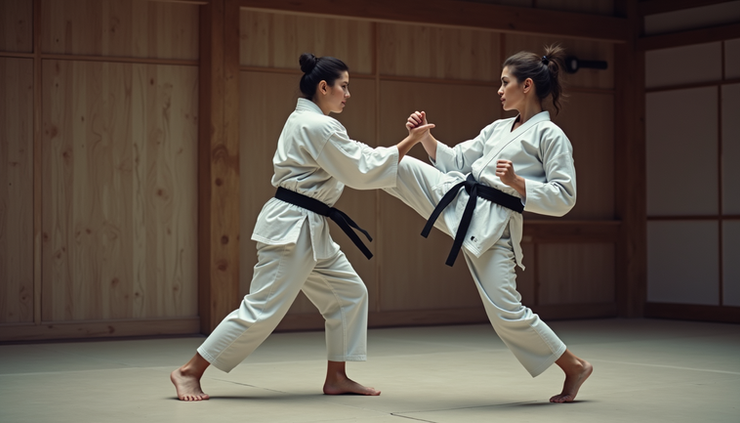
Karate and Ju Jitsu come from different traditions but share a common goal: self-defense. Karate’s strength lies in powerful strikes and precise movements, often performed from a distance. Ju Jitsu, on the other hand, excels in close-quarters combat, using an opponent’s force against them through locks, pins, and throws.
By understanding these differences, Karate practitioners can identify where Ju Jitsu techniques add value:
Close-range control: Ju Jitsu offers tools to control or neutralize an opponent when striking is no longer effective.
Ground defense: Ju Jitsu teaches how to defend and counterattack on the ground, an area less emphasized in Karate.
Joint manipulation: Techniques like arm locks and wrist controls provide options beyond strikes.
This complementary nature makes Ju Jitsu a valuable addition to Karate training, especially for those interested in practical self-defense.
Key Ju Jitsu Techniques to Integrate
Some Ju Jitsu moves fit naturally into Karate practice. Here are a few essential techniques to start with:
1. Wrist Locks (Kote Gaeshi)
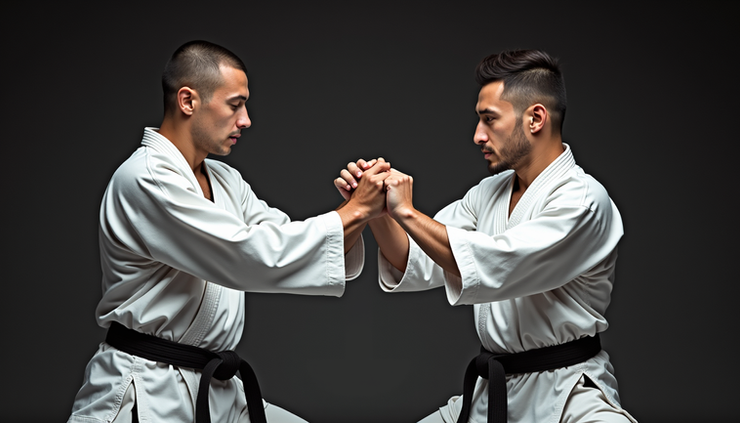
Wrist locks are effective for controlling an opponent’s arm and creating openings for counterattacks. In Karate, when an opponent grabs or blocks, applying a wrist lock can quickly shift the balance.
How to practice: From a basic grab or block, twist the opponent’s wrist outward while stepping to the side.
Benefit: It teaches sensitivity to joint control and improves reaction to grabs.
2. Hip Throws (O Goshi)
Hip throws use leverage to throw an opponent off balance. Karate practitioners can use these throws when close to an attacker, turning defense into offense.
How to practice: Step close, position your hip under the opponent’s center of gravity, and use your hips to lift and throw.
Benefit: Adds a powerful takedown option to Karate’s striking arsenal.
3. Rear Naked Choke (Hadaka Jime)
Though more common in Ju Jitsu, chokeholds like the rear naked choke can be adapted for Karate self-defense scenarios.
How to practice: From behind an opponent, wrap one arm around the neck and apply pressure to the carotid arteries.
Benefit: Provides a non-striking method to incapacitate an attacker.
How to Blend Ju Jitsu into Karate Training
Integrating Ju Jitsu techniques requires thoughtful practice to maintain Karate’s flow while adding new skills. Here are some strategies:
Start with Basics
Begin by learning Ju Jitsu fundamentals separately. Attend Ju Jitsu classes or workshops to understand the mechanics of locks, throws, and ground work. This foundation prevents confusion during Karate practice.
Drill Ju Jitsu Moves with Karate Katas
Katas are Karate’s pre-arranged forms. Incorporate Ju Jitsu moves into these sequences to practice transitions between striking and grappling.
For example, after a punch combination, add a wrist lock or throw to simulate close combat.
This approach builds muscle memory and fluidity.
Practice Sparring with Ju Jitsu Elements
Controlled sparring sessions allow testing Ju Jitsu techniques in a Karate context.
Use light contact to apply joint locks or throws after striking exchanges.
Focus on timing and distance to blend both arts naturally.
Emphasize Self-Defense Scenarios
Ju Jitsu shines in real-world self-defense situations. Practice scenarios where strikes alone are insufficient.
Defend against grabs, bear hugs, or ground attacks using Ju Jitsu techniques.
This practical focus enhances confidence and readiness.
Benefits of Combining Ju Jitsu with Karate
Adding Ju Jitsu moves to Karate training offers several advantages:
Expanded skill set: You gain tools for striking, grappling, and ground defense.
Improved adaptability: You can respond to different attack types and distances.
Better body control: Ju Jitsu’s emphasis on leverage and balance complements Karate’s power.
Increased confidence: Knowing multiple techniques builds mental readiness for real encounters.
Many martial artists find that this combination makes their training more complete and practical.
Tips for Safe and Effective Practice
When mixing Ju Jitsu with Karate, safety and proper technique are crucial:
Train with a qualified instructor: Seek guidance from teachers experienced in both arts.
Use protective gear: Especially during sparring and throws.
Communicate with partners: Ensure mutual understanding to avoid injuries.
Progress gradually: Start slow and increase intensity as skills improve.
Respecting these guidelines helps maintain a positive and productive training environment.

Final Thoughts on Expanding Your Martial Arts Practice
Incorporating Ju Jitsu techniques into Karate training enriches your martial arts journey. It broadens your ability to handle various combat situations, from striking at a distance to grappling up close. By learning key Ju Jitsu moves like wrist locks, hip throws, and chokeholds, and blending them thoughtfully into Karate practice, you develop a more versatile and effective self-defense skill set.
Start by mastering the basics of Ju Jitsu, then gradually integrate these techniques into your Karate katas and sparring. Focus on practical self-defense scenarios to see real benefits. This combined approach not only improves your physical skills but also builds confidence and adaptability.
Explore this fusion of martial arts with patience and dedication. Your training will become more dynamic, and your ability to protect yourself will grow stronger. Consider joining a dojo or workshop that supports cross-training to deepen your understanding and experience.
Comments