


Mastering the Front Stance in Karate: Key Techniques and Benefits
- Joseph Fanning
- May 29
- 4 min read
The front stance is one of the most fundamental positions in karate. It forms the foundation for many techniques, offering stability, power, and balance. Understanding how to perform the front stance correctly can improve your overall karate skills and enhance your effectiveness in both practice and sparring.
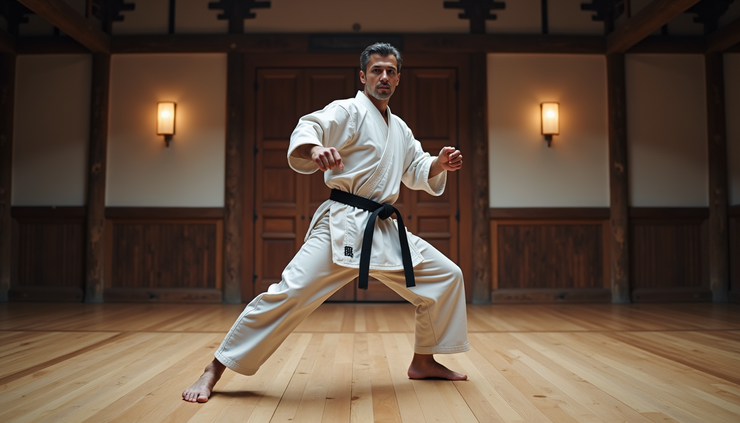
What Is the Front Stance in Karate?
The front stance, known as Zenkutsu-dachi in Japanese, is a long, forward-leaning stance where most of the body weight rests on the front leg. It is designed to provide a strong base for delivering strikes and blocks while maintaining mobility.
Key characteristics include:
The front foot points straight ahead.
The back foot is angled slightly outward, about 30 degrees.
The front knee bends deeply, aligning over the toes.
The back leg remains straight and firm.
The hips face forward, aligned with the front foot.
This stance allows karate practitioners to generate power from the ground up, using the legs and hips to support upper body movements.
How to Perform the Front Stance Correctly
Mastering the front stance requires attention to detail and consistent practice. Follow these steps to ensure proper form:
Start in a natural standing position. Feet shoulder-width apart, arms relaxed.
Step forward with your lead foot. The distance should be about one and a half times your shoulder width.
Point your front foot straight ahead. Your toes should face forward.
Angle your back foot outward slightly. About 30 degrees is ideal.
Bend your front knee deeply. The knee should be directly above the ankle or toes, never extending past them.
Keep your back leg straight and firm. This provides support and balance.
Lower your hips slightly. This helps maintain a strong center of gravity.
Align your hips and shoulders forward. Avoid twisting the torso.
Distribute your weight mostly on the front leg. About 60-70% of your weight should be forward.
Practicing in front of a mirror or with a coach can help you spot errors and improve your stance.
Benefits of Using the Front Stance
The front stance offers several advantages that make it essential for karate practitioners:
Stability and Balance
The wide base and low center of gravity help maintain balance during attacks and defenses.
Power Generation
The bent front leg and straight back leg create a strong foundation to transfer force from the ground through the hips and into punches or kicks.
Mobility
While stable, the stance allows quick transitions to other stances or movements, enabling fluid combinations.
Proper Body Alignment
The stance encourages correct posture, reducing the risk of injury and improving technique efficiency.
Mental Focus
Holding the stance requires concentration and discipline, which builds mental toughness over time.
Common Mistakes to Avoid
Many beginners struggle with the front stance because of subtle errors. Watch out for these common issues:
Knee Extending Past Toes
This puts unnecessary strain on the knee joint and reduces stability.
Weight Too Far Back
Shifting weight onto the back leg weakens the stance and reduces power.
Feet Too Close Together
A narrow stance compromises balance and makes it easier to be pushed off.
Hips Not Facing Forward
Twisting the hips reduces the effectiveness of strikes and blocks.
Back Leg Bent
The back leg should remain straight to provide support.
Correcting these mistakes will improve your stance and overall karate performance.
Practical Applications of the Front Stance
The front stance is used in many karate techniques, including:
Punches (Tsuki)
The stance provides a solid base for delivering powerful punches like the straight punch (Choku-zuki).
Blocks (Uke)
Blocks such as the rising block (Age-uke) or downward block (Gedan-barai) are often executed from the front stance.
Kicks (Geri)
While kicking usually involves shifting weight, the front stance helps maintain balance before and after the kick.
Kata Performance
Many traditional kata sequences include the front stance, emphasizing its importance in form and flow.
Sparring (Kumite)
The stance allows quick forward movement and strong defensive positioning.
Tips for Improving Your Front Stance
To get the most out of your front stance practice, try these tips:
Practice Daily
Spend time holding the stance to build leg strength and endurance.
Use Mirrors or Video
Visual feedback helps identify and correct mistakes.
Work with a Partner or Coach
They can provide guidance and adjustments.
Incorporate Strength Training
Exercises like squats and lunges improve the muscles used in the stance.
Focus on Breathing
Controlled breathing helps maintain stability and focus.
Combine with Techniques
Practice punches, blocks, and kicks from the front stance to build coordination.

How the Front Stance Builds Karate Fundamentals
The front stance is more than just a position. It teaches key karate principles:
Rooting to the Ground
Feeling connected to the floor increases power and balance.
Body Mechanics
Proper alignment trains efficient movement and reduces wasted energy.
Discipline and Patience
Holding and perfecting the stance requires focus and persistence.
Mind-Body Connection
Awareness of posture and weight distribution sharpens overall martial arts skills.
Mastering the front stance lays the groundwork for advancing in karate and developing more complex techniques.

Final Thoughts on Mastering the Front Stance
The front stance is a cornerstone of karate practice. It provides the stability, power, and balance needed for effective techniques. By focusing on proper form, avoiding common mistakes, and integrating the stance into your training, you will see significant improvements in your karate skills.
Start by dedicating time to perfect your front stance. Use feedback tools like mirrors or coaching, and combine stance practice with strikes and blocks. Over time, this foundation will support your growth as a confident and capable karate practitioner.


Comments