


Mastering the Karate Cat Stance: Techniques for Feline-Inspired Martial Arts
- Joseph Fanning
- May 28
- 4 min read
The Karate Cat Stance blends the agility and alertness of a cat with the discipline of martial arts. This stance offers a unique way to improve balance, speed, and power by mimicking feline movements. Whether you are a martial artist looking to add a new dimension to your practice or simply curious about this intriguing technique, mastering the Karate Cat Stance can enhance your skills and body awareness.

Understanding the Karate Cat Stance
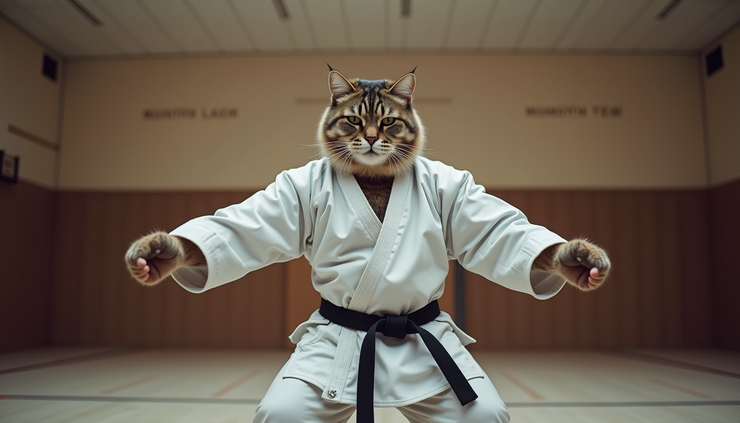
The Karate Cat Stance is inspired by the natural posture of a cat preparing to pounce. It emphasizes a low center of gravity, readiness to move in any direction, and controlled breathing. This stance is not just about physical positioning but also about cultivating mental alertness and calm focus.
Key Features of the Stance
Low and grounded posture: Feet shoulder-width apart, knees slightly bent, hips lowered.
Weight distribution: Balanced evenly between both feet, allowing quick shifts.
Hands positioned for defense and attack: Usually held near the torso or extended slightly forward.
Eyes focused: Alert and scanning the environment, ready to react.
This stance improves stability and prepares the body for swift, precise movements. It also helps develop muscle memory for defensive and offensive techniques.
Step-by-Step Guide to the Karate Cat Stance
Mastering this stance requires attention to detail and consistent practice. Follow these steps to get started:
Start with your feet shoulder-width apart. Keep your toes pointing slightly outward for better balance.
Bend your knees gently. Lower your hips as if you are about to sit on a low stool, but keep your back straight.
Distribute your weight evenly. Feel the ground beneath your feet and avoid leaning too far forward or backward.
Position your hands. Bring your hands up near your chest or slightly forward, fingers relaxed but ready.
Engage your core muscles. This helps maintain stability and control.
Focus your gaze. Look straight ahead with soft, alert eyes, as if watching an opponent or prey.
Practice controlled breathing. Inhale deeply through your nose and exhale slowly through your mouth to maintain calmness.
Tips for Beginners
Practice in front of a mirror to check your form.
Start with short sessions, gradually increasing duration.
Combine the stance with slow, deliberate movements to build muscle memory.
Use a soft surface or mat to protect your knees during practice.
Benefits of the Karate Cat Stance
Adopting this stance offers several physical and mental advantages:
Improved balance and coordination: The low center of gravity enhances stability.
Increased agility: Ready posture allows quick directional changes.
Better muscle control: Engages core and leg muscles effectively.
Heightened focus: Mimics a cat’s alertness, sharpening mental clarity.
Enhanced defensive skills: Prepares the body for blocking and counterattacks.
Many martial artists report that practicing the Karate Cat Stance helps them react faster and move more fluidly during sparring or self-defense situations.
Integrating the Karate Cat Stance into Martial Arts Practice
The Karate Cat Stance fits well into various martial arts styles, including karate, kung fu, and taekwondo. Here’s how to incorporate it effectively:
Warm-up: Use the stance during warm-up drills to engage muscles and focus your mind.
Transition movements: Practice moving in and out of the stance smoothly to improve flow.
Sparring: Use the stance as a base for defensive maneuvers and quick attacks.
Forms and katas: Integrate the stance into your routine to add variety and challenge.
Breathing exercises: Combine stance practice with breathing techniques to enhance calmness under pressure.
Example Drill: Cat Stance to Strike
Begin in the Karate Cat Stance.
Shift your weight slightly onto your front foot.
Extend your lead hand in a controlled strike, such as a jab or palm strike.
Retract your hand and return to the stance.
Repeat on the opposite side.
This drill builds strength, precision, and balance.

Common Mistakes and How to Avoid Them
Even experienced practitioners can fall into common pitfalls when practicing the Karate Cat Stance. Watch out for these:
Leaning too far forward or backward: This reduces balance and slows reaction time.
Raising hips too high: The stance loses its grounding and power.
Tensing muscles excessively: Leads to fatigue and reduces fluidity.
Looking down or away: Breaks focus and awareness.
Holding hands too rigidly: Limits quick defensive or offensive moves.
To correct these mistakes, regularly check your posture, practice in front of a mirror, and seek feedback from instructors or training partners.
Advanced Techniques to Enhance the Karate Cat Stance
Once comfortable with the basic stance, you can add complexity to improve effectiveness:
Dynamic weight shifts: Practice shifting weight quickly between feet while maintaining balance.
Incorporate footwork: Step forward, backward, and sideways from the stance to simulate combat scenarios.
Add hand techniques: Combine blocks, strikes, and grabs while holding the stance.
Use visualization: Imagine an opponent’s movements and respond accordingly.
Breath control under stress: Practice holding the stance while performing intense breathing exercises.
These techniques build endurance, speed, and mental toughness.
Final Thoughts on Mastering the Karate Cat Stance
The Karate Cat Stance offers a powerful way to connect body and mind through martial arts. It teaches balance, alertness, and readiness by drawing inspiration from feline grace. Regular practice builds a strong foundation for more advanced techniques and improves overall martial arts performance.
Try incorporating the stance into your daily training and observe how your movements become sharper and more controlled. Remember, mastery comes with patience and consistent effort. Embrace the calm focus of the cat and let it guide your martial arts journey.


Comments