


The Art of Karate: Techniques to Cool Off After Intense Training
- Joseph Fanning
- Mar 11
- 4 min read
Karate training pushes both the body and mind to their limits. After a rigorous session filled with punches, kicks, and kata, cooling off properly is essential. Without a good cool down, muscles can tighten, recovery slows, and the risk of injury rises. This post explores effective techniques to cool off after intense karate practice, helping practitioners recover faster and maintain peak performance.

Why Cooling Off Matters in Karate
Karate is a demanding martial art that combines explosive power with precise control. During training, the heart rate spikes, muscles contract repeatedly, and the nervous system stays highly alert. Cooling off helps the body transition from this heightened state back to rest. It:
Prevents muscle stiffness by gradually lowering muscle tension
Reduces lactic acid buildup that causes soreness
Lowers heart rate and breathing to normal levels
Promotes mental relaxation after intense focus
Supports injury prevention by improving flexibility and circulation
Skipping cool down can leave you feeling tight, fatigued, and vulnerable to strains or cramps. For karate practitioners, this phase is as important as the warm-up or the training itself.
Gentle Stretching to Release Muscle Tension
Stretching after karate helps muscles regain length and flexibility lost during training. Focus on slow, controlled movements rather than bouncing or forcing stretches. Key areas to target include:
Hamstrings and quadriceps for powerful kicks
Calves to support footwork and balance
Shoulders and arms for punches and blocks
Lower back and hips to maintain core stability
Try these stretches:
Seated hamstring stretch: Sit with legs extended, reach toward toes slowly, hold for 20-30 seconds.
Standing quad stretch: Pull one foot toward the buttocks, keep knees close, hold for 20 seconds each side.
Shoulder cross-body stretch: Bring one arm across the chest, use the other arm to gently press it closer, hold for 20 seconds.
Hip flexor stretch: Step one foot forward into a lunge, lower hips, hold for 30 seconds.
Breathing deeply during stretches enhances relaxation and oxygen flow to muscles.
Controlled Breathing and Meditation
Karate is as much mental as physical. Cooling off is a chance to calm the mind and body. Controlled breathing techniques help reduce heart rate and clear mental tension.
Try this simple breathing exercise:
Sit comfortably with a straight back.
Inhale slowly through the nose for a count of four.
Hold the breath for a count of four.
Exhale gently through the mouth for a count of six.
Repeat for 5-10 minutes.
This breathing pattern activates the parasympathetic nervous system, promoting relaxation. Some practitioners also use short meditation sessions focusing on body awareness or gratitude for the training.
Hydration and Nutrition Post-Training
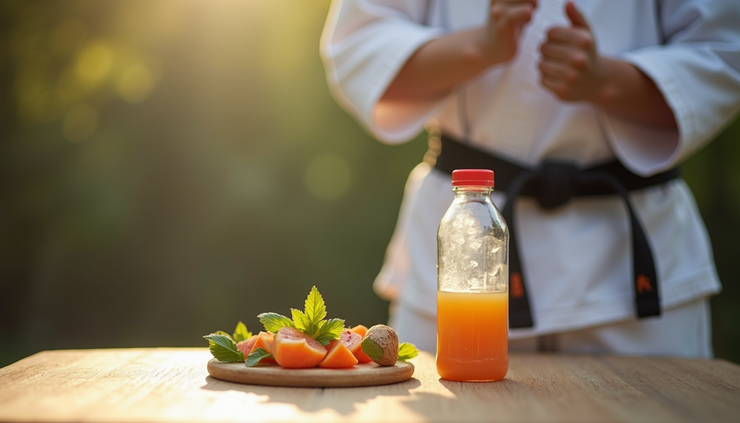
Replenishing fluids and nutrients after karate is vital for recovery. Intense training causes sweating and energy depletion. Drinking water or electrolyte-rich drinks helps restore balance. Avoid sugary or caffeinated beverages immediately after training.
Eating a balanced snack within 30 minutes supports muscle repair. Good options include:
A banana with peanut butter
Greek yogurt with berries
A small turkey sandwich on whole grain bread
A smoothie with protein and greens
Proper nutrition fuels recovery and prepares the body for the next session.
Light Movement and Walking
After intense karate drills, jumping straight into rest can cause stiffness. Light movement helps maintain blood flow and flush out metabolic waste. Walking slowly around the dojo or doing gentle joint rotations keeps muscles warm and flexible.
Examples of light movements include:
Ankle circles and wrist rotations
Slow knee bends and hip circles
Gentle walking laps around the training area
These movements should feel easy and relaxed, not strenuous.
Using Foam Rollers and Massage Techniques
Self-massage with foam rollers or massage balls can relieve muscle knots and improve circulation. Focus on areas that feel tight or sore, such as calves, thighs, and back muscles.
To use a foam roller:
Place the roller under the target muscle.
Slowly roll back and forth, pausing on tender spots.
Apply moderate pressure without causing pain.
Spend 1-2 minutes on each muscle group.
Massage helps break down adhesions in muscle tissue and speeds recovery.

Cooling Down the Mind and Body Together
Karate training sharpens focus and reaction time. Cooling off is a chance to shift from high alertness to calm awareness. Combining physical cool down with mental relaxation techniques enhances overall recovery.
Some practitioners use:
Visualization of peaceful scenes
Mindful body scans to notice tension areas
Gentle yoga poses like child's pose or cat-cow stretch
These methods help integrate the physical and mental benefits of training, leaving you refreshed and ready for daily life.
Tips for Building a Consistent Cool Down Routine
Consistency is key to reaping the benefits of cooling off. Here are some tips to build a routine:
Set aside 10-15 minutes after every training session
Prepare a cool down space with mats and props
Follow a checklist of stretches and breathing exercises
Listen to your body and adjust intensity as needed
Track how you feel after cool down to notice improvements
A reliable cool down routine supports long-term progress and injury prevention.


Comments