


The Benefits of Practicing Low Block Karate for Self-Defense and Fitness
- Joseph Fanning
- 2 days ago
- 4 min read
Karate offers a wide range of techniques, but one of the most fundamental and effective moves is the low block. This technique is not only essential for protecting yourself in a fight but also provides significant benefits for your overall fitness. Practicing low block karate regularly can improve your strength, coordination, and confidence, making it a valuable skill for anyone interested in self-defense or physical health.
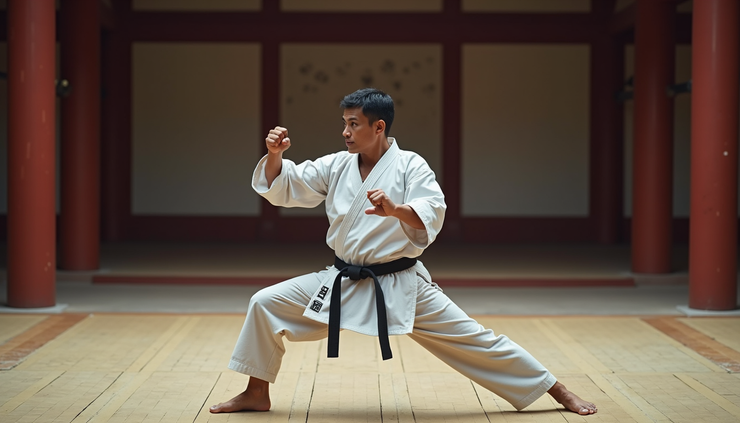
What Is Low Block Karate?
Low block, or gedan barai in Japanese, is a defensive move used to deflect attacks aimed at the lower body, such as kicks or strikes targeting the legs or abdomen. The technique involves sweeping the arm downward and outward to redirect an incoming attack away from the body. It is one of the first blocks taught in many karate styles because it builds a strong foundation for more advanced defensive moves.
The low block requires precise timing, proper stance, and controlled breathing. It trains the muscles in your arms, shoulders, and core, while also improving your balance and focus. Mastering this technique helps you react quickly and efficiently in a real self-defense situation.
How Low Block Karate Enhances Self-Defense Skills
Learning low block karate equips you with practical tools to protect yourself in dangerous situations. Here’s how it improves your self-defense abilities:
Protects vital areas
The low block shields your legs and lower torso, which are common targets in street attacks. By deflecting strikes, you reduce the risk of injury and maintain your mobility.
Improves reaction time
Practicing low blocks sharpens your reflexes. You learn to anticipate attacks and respond swiftly, which is crucial when facing an aggressor.
Builds confidence
Knowing you can defend yourself lowers fear and anxiety. Confidence often deters potential attackers before a confrontation even begins.
Teaches body awareness
Low block training increases your understanding of body positioning and movement, helping you stay balanced and avoid being knocked down.
Integrates with other techniques
Low blocks are often combined with counterattacks like punches or kicks. This combination makes your defense more effective and dynamic.
For example, a common self-defense scenario involves an attacker aiming a kick at your thigh. Using a low block, you sweep the attacker’s leg aside, disrupting their balance and opening an opportunity to counterattack or escape.
Fitness Benefits of Practicing Low Block Karate
Beyond self-defense, low block karate offers numerous physical benefits that contribute to overall fitness:
Strengthens muscles
The repetitive motion of blocking builds strength in your arms, shoulders, and core muscles. Holding stances during practice also tones your legs and improves endurance.
Enhances flexibility
Karate requires fluid movements and stretching. Low block drills increase the flexibility of your hips, shoulders, and spine, reducing injury risk.
Improves coordination
Coordinating your arm movement with foot positioning and breathing enhances motor skills and body control.
Boosts cardiovascular health
Karate training sessions often include continuous movement and drills that raise your heart rate, improving cardiovascular fitness.
Supports mental focus
Concentrating on technique and timing during low block practice sharpens your mental clarity and reduces stress.
Many practitioners report feeling more energized and balanced after regular karate training. The combination of strength, flexibility, and mental focus makes low block karate a well-rounded workout.
Tips for Practicing Low Block Karate Effectively
To get the most out of low block karate, consider these practical tips:
Start with the right stance
A strong stance like front stance or horse stance provides stability. Keep your knees slightly bent and your weight evenly distributed.
Use controlled breathing
Inhale before the block and exhale sharply during the movement. This helps maintain power and focus.
Keep your arm relaxed but firm
Avoid tensing your muscles too much. A relaxed arm moves faster and absorbs impact better.
Practice slowly at first
Focus on form and precision before increasing speed. Slow practice builds muscle memory.
Combine with footwork
Moving your feet while blocking prepares you for real-life situations where you need to evade or reposition.
Train regularly
Consistency is key. Short daily sessions are more effective than occasional long workouts.
Seek feedback
Work with a qualified instructor who can correct your technique and help you progress safely.
How Low Block Karate Fits into a Complete Martial Arts Routine
Low block karate is just one part of a comprehensive martial arts practice. It pairs well with other blocks, strikes, and kicks to create a balanced defense and offense system. Here’s how it fits into a typical karate routine:
Warm-up
Stretching and light cardio prepare your body.
Basic techniques
Practice low blocks alongside middle and high blocks to cover all attack levels.
Kihon (basics)
Drill punches, kicks, and blocks repeatedly to build muscle memory.
Kata (forms)
Perform choreographed sequences that include low blocks to simulate real combat scenarios.
Sparring
Apply low blocks in controlled fights to test timing and reaction.
Cool down
Stretch and relax muscles to prevent soreness.
By integrating low block karate into your training, you develop a versatile skill set that improves both your defense and overall martial arts ability.

Real-Life Examples of Low Block Karate in Action
Many martial artists have shared stories of how low block karate helped them avoid injury or gain the upper hand in confrontations. For instance:
A karate student used a low block to deflect a street attacker's kick, then countered with a quick punch, allowing them to escape unharmed.
In a self-defense class, learners practiced low blocks to build confidence in handling aggressive grabs or strikes aimed at the legs.
Competitive karate fighters rely on low blocks to protect their lower body during matches, maintaining balance and setting up counterattacks.
These examples show that low block karate is not just a drill but a practical skill with real-world applications.
Getting Started with Low Block Karate
If you want to start practicing low block karate, here are some steps to help you begin:
Find a local dojo or martial arts school
Look for instructors experienced in traditional karate styles.
Attend beginner classes
Focus on learning basic stances and blocks before moving to advanced techniques.
Practice at home
Use mirrors or record yourself to check your form.
Invest in proper gear
Comfortable clothing and protective equipment make training safer.
Set realistic goals
Aim to improve gradually, focusing on technique and fitness.
Stay patient and persistent
Mastery takes time, but consistent effort pays off.
Starting with low block karate can open the door to a rewarding martial arts journey that enhances your safety and health.


Comments