


The Healing Power of Karate Meditation for Mind and Body Wellness
- Joseph Fanning
- May 28
- 4 min read
Karate is often seen as a physical discipline focused on strength, speed, and self-defense. Yet, beneath the powerful strikes and precise movements lies a profound practice that nurtures both mind and body: karate meditation. This blend of martial art and mindfulness offers a unique path to wellness, helping practitioners find balance, reduce stress, and improve overall health.
This post explores how karate meditation works, its benefits, and practical ways to incorporate it into your daily routine.
What Is Karate Meditation?
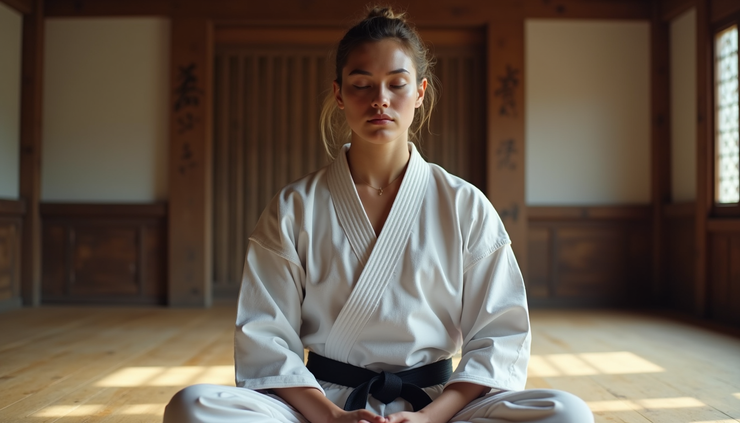
Karate meditation combines the physical discipline of karate with meditative techniques that focus the mind and calm the spirit. Unlike seated meditation alone, it integrates movement, breathing, and mental focus.
In traditional karate training, meditation is not just a separate activity but part of the practice itself. Before and after training sessions, practitioners often engage in quiet reflection or breathing exercises to center themselves. This helps prepare the mind for learning and sharpens awareness.
Karate meditation can take several forms:
Zanshin: A state of relaxed alertness maintained during and after movements.
Mokuso: A brief meditation before and after training to clear the mind.
Kata practice: Performing choreographed movements with full mental focus, almost like moving meditation.
These practices encourage mindfulness, helping karateka (karate practitioners) stay present and connected to their bodies.
How Karate Meditation Benefits Mental Health
The mental benefits of karate meditation are significant and supported by research on mindfulness and martial arts.
Stress Reduction
Karate meditation helps reduce stress by encouraging deep, controlled breathing and focused attention. This activates the parasympathetic nervous system, which calms the body and lowers cortisol levels. Practitioners often report feeling more relaxed and less anxious after sessions.
Improved Focus and Clarity
The mental discipline required in karate meditation trains the brain to stay focused on the present moment. This improves concentration, memory, and decision-making skills. For example, during kata, every movement demands attention, which translates to better mental clarity off the mat.
Emotional Balance
Regular practice helps regulate emotions by increasing self-awareness. Karate meditation teaches practitioners to observe feelings without reacting impulsively. This emotional control can improve relationships and reduce mood swings.
Building Resilience
Facing physical challenges in karate while maintaining mental calm builds resilience. Practitioners learn to stay composed under pressure, a skill that carries over into daily life challenges.
Physical Wellness Through Karate Meditation
Karate meditation also supports physical health in ways beyond traditional exercise.
Enhancing Body Awareness
Meditative focus during karate sharpens proprioception — the sense of where your body is in space. This reduces injury risk and improves coordination.
Boosting Energy and Vitality
The combination of movement and breathing techniques increases oxygen flow and stimulates the body’s energy systems. Many practitioners feel more energized and less fatigued.
Supporting Recovery and Healing
Meditation promotes relaxation, which aids muscle recovery and reduces inflammation. Karate meditation encourages gentle stretching and mindful breathing, helping the body heal faster after intense training.
Improving Posture and Balance
The slow, deliberate movements in kata and meditation improve posture and balance. This is especially beneficial for older adults or those recovering from injury.

Practical Ways to Practice Karate Meditation
You don’t need to be an expert to start experiencing the benefits of karate meditation. Here are some simple steps to incorporate it into your routine:
Begin With Mokuso
Start and end your karate sessions with 3 to 5 minutes of mokuso. Sit quietly, close your eyes, and focus on your breath. Let go of distracting thoughts and bring your attention to the present moment.
Practice Zanshin During Movements
While performing kata or drills, maintain a state of relaxed alertness. Be aware of your surroundings, your body, and your breath. Avoid rushing through movements; instead, move with intention and mindfulness.
Use Breathing Techniques
Incorporate deep, slow breathing into your practice. For example, inhale deeply through the nose during preparation, and exhale fully through the mouth during strikes or blocks. This helps regulate energy and focus.
Meditate Outside the Dojo
You can practice karate meditation even without physical movement. Sit comfortably, visualize your kata movements, and mentally rehearse each step with full attention. This strengthens mind-body connection.
Join a Class or Workshop
Look for karate schools or instructors who emphasize meditation and mindfulness. Group practice can provide guidance and motivation.
Real-Life Examples of Karate Meditation Impact
Many karate practitioners share stories of how meditation transformed their lives:
A busy professional found that starting the day with mokuso improved focus and reduced work stress.
An athlete recovering from injury used karate meditation to stay mentally strong and speed up healing.
A teenager dealing with anxiety learned emotional control through zanshin practice during training.
These examples show that karate meditation is accessible and beneficial for people of all ages and backgrounds.

Tips for Getting the Most From Karate Meditation
Consistency matters: Practice regularly, even if only for a few minutes daily.
Be patient: Meditation skills develop over time; don’t expect immediate results.
Focus on breath: Use breathing as an anchor to stay present.
Stay relaxed: Avoid tension in muscles; let movements flow naturally.
Seek guidance: Learn from experienced instructors to deepen your practice.
Final Thoughts on Karate Meditation for Wellness
Karate meditation offers a powerful way to nurture both mind and body. It helps reduce stress, improve focus, and build emotional strength while supporting physical health through mindful movement and breathing.


Comments