


Unleashing the Power of Karate and Soccer Cross Training for Enhanced Skills
- Joseph Fanning
- Jun 13
- 4 min read
Cross training is a powerful way to improve athletic performance by combining skills and conditioning from different sports. When it comes to karate and soccer, these two disciplines might seem worlds apart. Yet, blending their training methods can unlock new levels of agility, coordination, strength, and mental focus. This post explores how karate and soccer cross training can enhance your skills, offering practical tips and examples to help athletes of all levels.

How Karate Complements Soccer Skills
Karate is a martial art focused on precise movements, balance, and explosive power. These qualities can directly benefit soccer players in several ways:
Improved balance and stability: Karate training emphasizes strong stances and controlled movements. This helps soccer players maintain balance during quick turns, tackles, and aerial challenges.
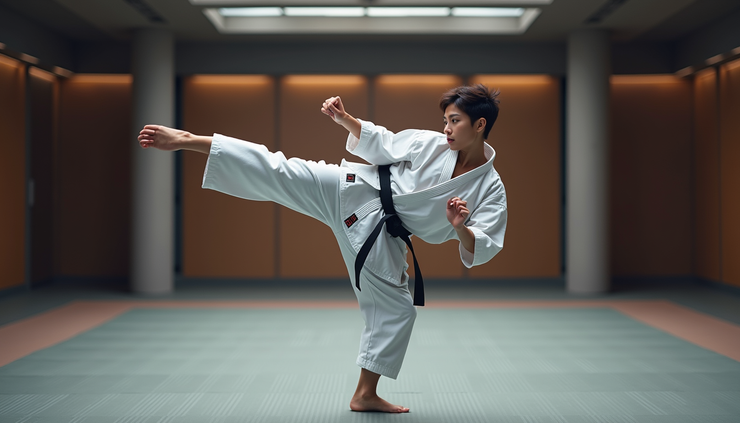
Enhanced flexibility: High kicks and dynamic stretches in karate increase hip and leg flexibility, which can improve kicking range and reduce injury risk in soccer.
Better body control: Karate teaches athletes to move with intention and control, translating to smoother dribbling and sharper changes of direction on the soccer field.
Increased mental focus: Karate’s disciplined practice builds concentration and calmness under pressure, valuable traits during intense soccer matches.
For example, practicing karate’s front kick can strengthen the hip flexors and quadriceps, muscles essential for powerful soccer shots. Similarly, karate’s side stance drills improve lateral stability, helping players stay grounded when defending or evading opponents.
How Soccer Enhances Karate Performance
Soccer’s fast-paced, endurance-driven nature offers benefits that karate practitioners can use to boost their martial arts skills:
Cardiovascular endurance: Soccer’s continuous running builds stamina, allowing karate athletes to maintain energy through long training sessions or tournaments.
Agility and footwork: Soccer players develop quick feet and sharp reflexes, which improve karate’s evasive maneuvers and rapid strikes.
Coordination and timing: Controlling a ball with precision sharpens hand-eye and foot-eye coordination, aiding karate techniques that require exact timing.
Lower body strength: Sprinting and jumping in soccer strengthen leg muscles, contributing to more powerful kicks and stable stances in karate.
A soccer player who practices dribbling drills can transfer that foot coordination to karate’s footwork patterns. Likewise, the endurance gained from soccer matches helps karate athletes sustain high-intensity bouts without fatigue.
Practical Cross Training Exercises
Integrating karate and soccer training requires a balanced approach. Here are some exercises and drills that combine elements from both sports:
Dynamic Warm-Up Combining Both Disciplines
High knees with punches: Run in place lifting knees high while throwing controlled karate punches. This warms up legs and upper body simultaneously.
Side shuffles with front kicks: Shuffle sideways like in soccer defense, then pause to perform a karate front kick. This builds lateral movement and kicking strength.
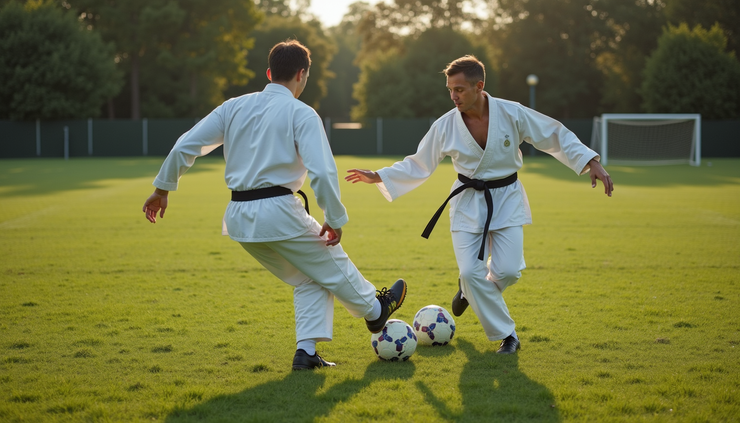
Ball control with karate stances: Dribble a soccer ball while holding karate stances such as horse stance or cat stance to improve balance and coordination.
Strength and Conditioning Drills
Plyometric jumps with knee strikes: Jump explosively, landing softly, then immediately perform a knee strike as in karate. This develops explosive power for both sports.
Cone agility drills with karate blocks: Set up cones for quick directional changes, practicing karate blocking techniques at each cone to combine footwork and upper body defense.
Wall sits with alternating punches: Hold a wall sit position to build leg endurance while throwing alternating punches to engage the upper body.
Skill Transfer Drills
Kicking accuracy practice: Use soccer goals and karate kicking targets to practice precision and power in kicks from both sports.
Shadow sparring with ball control: Perform karate shadow sparring while dribbling a soccer ball to enhance multitasking and coordination.
Reaction drills: Partner calls out commands to perform either a karate block or a soccer dribble move, training quick decision-making and adaptability.
Mental Benefits of Cross Training
Beyond physical improvements, cross training between karate and soccer strengthens mental skills:
Discipline and routine: Karate’s structured training complements soccer’s team-based practice, helping athletes develop consistent habits.
Stress management: Karate’s focus on breathing and mindfulness can reduce anxiety during high-pressure soccer games.
Confidence building: Mastering techniques in two sports boosts self-esteem and motivation.
Strategic thinking: Both sports require anticipating opponents’ moves, improving overall game intelligence.
Athletes who cross train often report feeling more balanced mentally and physically, which contributes to better performance and enjoyment.
Tips for Successful Cross Training
To get the most from karate and soccer cross training, keep these tips in mind:
Set clear goals: Identify what skills or fitness areas you want to improve and tailor your training accordingly.
Balance training loads: Avoid overtraining by scheduling rest days and alternating focus between karate and soccer.
Seek expert guidance: Work with coaches from both sports to ensure proper technique and avoid injury.
Listen to your body: Pay attention to signs of fatigue or strain and adjust intensity as needed.
Stay consistent: Regular practice is key to seeing improvements in both sports.
Cross training can be demanding but rewarding. It builds a well-rounded athlete capable of excelling in multiple areas.


Comments