


Unlocking the Secrets to Blue Belt Karate Mastery
- Joseph Fanning
- May 27
- 4 min read
Karate is more than just a martial art; it is a journey of discipline, skill, and personal growth. Reaching the blue belt level marks a significant milestone in this journey. It shows that a student has moved beyond the basics and is ready to deepen their understanding and abilities. This post explores how to master the blue belt level in karate, offering practical advice and insights to help practitioners unlock their full potential.
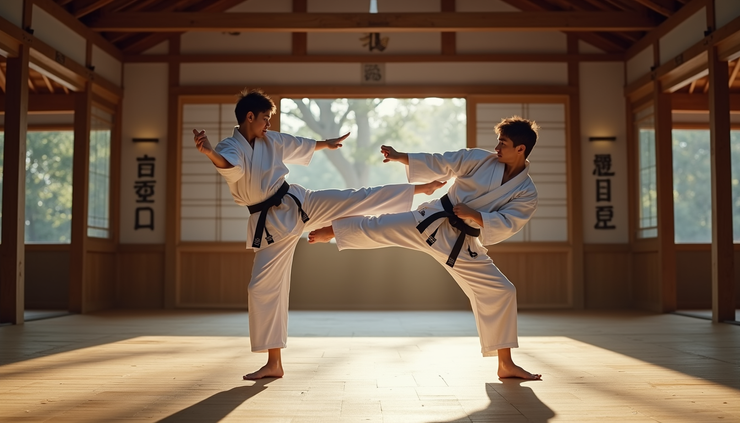
Understanding the Blue Belt Level
The blue belt in karate represents a stage where students begin to connect their foundational skills with more advanced techniques. It is a bridge between beginner and intermediate levels. At this stage, students learn to refine their movements, improve their timing, and develop better control over their body.
What Blue Belt Means in Karate
Growth in Technique: Students focus on perfecting stances, strikes, and blocks.
Increased Physical Conditioning: Strength, flexibility, and endurance become more important.
Mental Focus: Concentration and awareness during practice improve.
Introduction to Sparring: Controlled sparring sessions help apply techniques in real-time.
Mastering the blue belt requires dedication to these areas, along with consistent practice and feedback from instructors.
Key Techniques to Master at Blue Belt
At the blue belt level, karatekas (karate practitioners) work on several essential techniques that build on earlier lessons. These include:
Kihon (Basics): Stronger and more precise punches, kicks, and blocks.
Kata (Forms): More complex sequences that combine multiple moves fluidly.
Kumite (Sparring): Basic sparring drills that teach timing and distance.
Examples of Important Techniques
Mae Geri (Front Kick): Focus on balance and snapping the kick quickly.
Gyaku Zuki (Reverse Punch): Delivered with proper hip rotation for power.
Age Uke (Rising Block): Used to defend against high attacks.
Practicing these techniques with attention to detail helps build a solid foundation for more advanced karate skills.
Training Tips for Blue Belt Mastery
Consistent and focused training is essential to progress. Here are some practical tips to help blue belt students improve:
Set Clear Goals
Define what you want to achieve in each training session. For example, mastering a specific kata or improving your sparring reaction time.
Practice regularly
Aim for at least three training sessions per week. Repetition builds muscle memory and confidence.
Seek Feedback
Ask your instructor for specific advice on your technique and areas to improve.
Work on conditioning
Include exercises like running, stretching, and strength training to support your karate practice.
Visualize Techniques
Mental rehearsal can improve your execution and reaction during practice.
Common Challenges and How to Overcome Them
Many students face obstacles when advancing to the blue belt level. Recognizing these challenges helps in finding solutions.
Challenge 1: Maintaining Focus During Training
Karate requires mental discipline. Losing focus can lead to sloppy technique.
Solution: Use breathing exercises before practice to calm your mind. Break down complex moves into smaller steps to maintain concentration.
Challenge 2: Building Strength and Flexibility
Some techniques demand physical attributes that beginners may lack.
Solution: Incorporate daily stretching routines and strength exercises like squats and push-ups. Gradually increase intensity to avoid injury.
Challenge 3: Applying Techniques in Sparring
Sparring can be intimidating, and students may hesitate to use their skills.
Solution: Start with light, controlled sparring sessions. Focus on timing and distance rather than power. Practice with partners who provide constructive feedback.

The Role of Kata in Blue Belt Progression
Kata is a series of choreographed movements that simulate combat against imaginary opponents. At the blue belt level, kata becomes more complex and requires greater precision.
Why Kata Matters
Improves Technique: Kata helps refine punches, kicks, and blocks.
Builds Muscle Memory: Repetition of kata engrains movements into your body.
Develops Focus and Discipline: Performing kata demands concentration and control.
Teaches Strategy: Each kata has applications that can be used in sparring.
Tips for Kata Mastery
Practice slowly to understand each movement.
Use mirrors or video recordings to self-correct.
Learn the meaning behind each move to improve execution.
Perform kata regularly to build confidence.
Mental Aspects of Blue Belt Karate
Karate is as much a mental discipline as a physical one. At the blue belt stage, students begin to develop a stronger mindset.
Building Confidence
Confidence grows from consistent practice and small successes. Celebrate improvements, no matter how minor.
Developing Patience
Progress takes time. Avoid rushing through techniques. Focus on quality over speed.
Cultivating Respect
Respect for instructors, peers, and the art itself is fundamental. This attitude supports a positive learning environment.
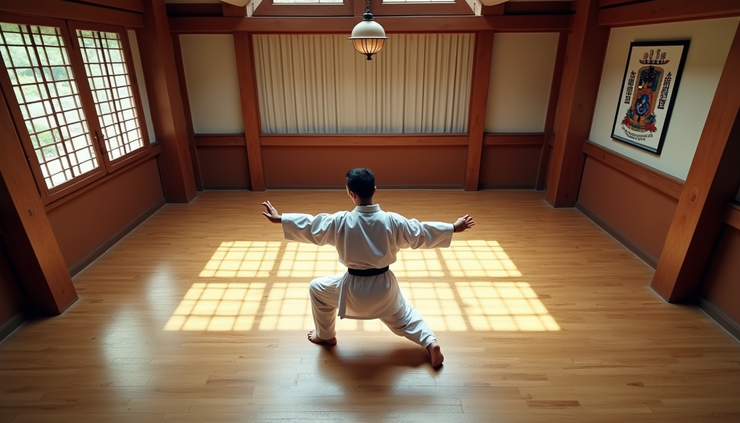
Preparing for the Next Belt
Mastering the blue belt sets the stage for the next level in karate. Preparation involves:
Reviewing All Techniques: Ensure you can perform all required moves confidently.
Improving Sparring Skills: Practice with different partners to adapt to various styles.
Demonstrating Kata Proficiency: Perform kata with precision and fluidity.
Showing Mental Readiness: Display focus, respect, and discipline during training.
Meeting these criteria will help you advance smoothly and continue your karate journey.


Comments