


Unlocking Your Potential With Side Kick Karate Techniques | Yoko Geri
- Joseph Fanning
- May 30
- 3 min read
Karate offers a powerful way to build strength, confidence, and focus. Among its many moves, the side kick stands out as a versatile and effective technique. Mastering the side kick can unlock new levels of skill and self-discipline for practitioners at any stage. This post explores how side kick karate techniques can enhance your martial arts journey and personal growth.

Understanding the Side Kick in Karate
The side kick is a fundamental strike in karate that uses the heel or the edge of the foot to deliver a powerful blow. Unlike front kicks that push forward, the side kick moves laterally, allowing for strong impact and reach. It targets an opponent’s midsection, ribs, or legs, making it useful for both offense and defense.
Key elements of the side kick include:
Chambering: Raising the knee close to the chest before extending the leg.
Extension: Pushing the foot outward with force.
Rechambering: Pulling the leg back quickly to maintain balance.
Stance and balance: Keeping the supporting leg firm and body aligned.
Mastering these steps helps generate maximum power while maintaining control.
Benefits of Practicing Side Kick Karate Techniques
Training the side kick offers more than just physical strength. It builds several important skills:
Improved balance and coordination
The side kick requires precise body control, which enhances overall stability.
Increased leg strength and flexibility
Repeated practice stretches and strengthens muscles, improving mobility.
Better focus and discipline
Perfecting the technique demands concentration and patience.
Effective self-defense tool
The side kick’s reach and power make it a practical move in real situations.
Boosted confidence
Successfully executing a strong side kick builds self-assurance.
Step-by-Step Guide to Perfecting Your Side Kick
Follow these steps to develop a strong and accurate side kick:
Start in a proper stance
Begin in a front stance or fighting stance with feet shoulder-width apart.
Chamber your knee
Lift your kicking leg’s knee toward your chest, keeping your foot flexed.
Turn your hips and shoulders
Rotate your body so your hips face the target, aligning your power.
Extend your leg
Push your foot out straight, striking with the heel or outer edge.
Keep your toes pulled back
Point your toes toward your body to avoid injury and increase impact.
Rechamber quickly
Pull your leg back to the chamber position immediately after the kick.
Return to stance
Place your foot down softly and regain your original stance.
Practice these steps slowly at first, then increase speed and power as you improve.
Common Mistakes and How to Avoid Them
Many beginners struggle with side kicks due to common errors. Watch out for these pitfalls:
Dropping the supporting heel
Keep your standing foot flat to maintain balance.
Not turning hips fully
Without proper hip rotation, the kick loses power.
Pointing toes outward
This can cause injury and reduce effectiveness.
Slow retraction of the leg
Leaving the leg extended makes you vulnerable to counterattacks.
Leaning backward or forward
Maintain an upright posture to stay balanced.
Correcting these mistakes will make your side kick more efficient and safer.

Training Tips to Enhance Your Side Kick
To unlock your potential, incorporate these training methods:
Stretch regularly
Focus on hamstrings, hip flexors, and calves to increase range of motion.
Strengthen supporting muscles
Exercises like squats and lunges build leg power.
Use a kicking pad or heavy bag
Practice striking targets to develop accuracy and force.
Shadow kick
Perform side kicks in the air to improve form and speed.
Record yourself
Watching videos helps identify areas for improvement.
Train with a partner
Controlled sparring builds timing and reaction skills.
Consistent practice with these tips will accelerate your progress.
Applying Side Kick Techniques in Real Situations
The side kick is not just a training move; it has practical uses:
Creating distance
Use the side kick to keep an opponent at bay.
Targeting vulnerable areas
Aim for ribs, knees, or thighs to disable or slow down an attacker.
Combining with other moves
Follow a side kick with punches or blocks for effective combinations.
Counterattacking
Quickly respond to an opponent’s advance with a side kick.
Understanding when and how to use the side kick increases your self-defense capabilities.
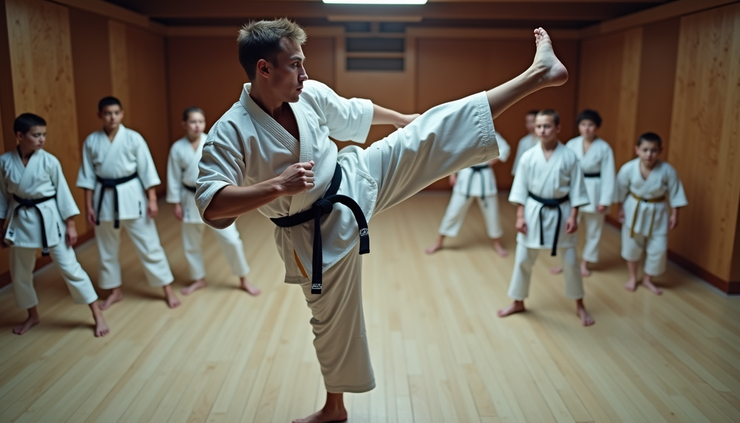
Building Confidence Through Side Kick Mastery
As you improve your side kick, you’ll notice a boost in confidence. This comes from:
Physical progress
Feeling stronger and more agile.
Skill development
Mastering a challenging technique.
Mental focus
Gaining control over your body and mind.
Preparedness
Knowing you have an effective tool for self-defense.
Confidence gained through karate often carries over into other areas of life, helping you face challenges with calm and strength.


Comments