


Mastering the First Dan/RYU: Essential Skills for Achieving Your Karate Black Belt
- Joseph Fanning
- May 27
- 3 min read
Updated: May 28
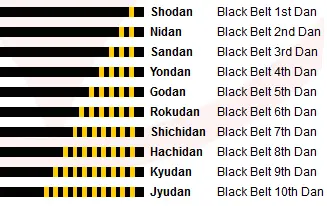
Earning your first notch on a karate black belt is a milestone that marks the transition from student to a practitioner with deeper understanding and skill. This achievement reflects dedication, discipline, and mastery of foundational techniques. The journey to this level is challenging but rewarding, requiring focus on specific skills that build a strong base for advanced karate practice. This post explores the essential skills needed to master the first notch of your black belt and offers practical guidance to help you succeed.
Understanding the Significance of the First Notch
The first notch on a black belt, often called the 1st Dan, is more than just a rank. It symbolizes a significant step in a karateka’s journey. At this stage, you are expected to demonstrate:
Proficiency in basic and intermediate techniques
Strong mental focus and discipline
Ability to apply techniques in controlled sparring
Understanding of karate philosophy and etiquette
This rank is a foundation for all future progress. It shows that you have moved beyond beginner status and are ready to refine your skills with greater precision and depth.
Core Physical Skills to Develop
Mastering Basic Stances and Movements
Stances form the foundation of all karate techniques. For the first notch, your stances must be stable, balanced, and fluid. Key stances include:
Zenkutsu-dachi (front stance): Strong forward stance for powerful strikes
Kokutsu-dachi (back stance): Defensive stance for blocking and counterattacks
Kiba-dachi (horse stance): Builds leg strength and stability
Practice transitioning smoothly between stances to maintain balance during attacks and defenses.
Perfecting Strikes and Blocks
Your punches, kicks, and blocks should be sharp and controlled. Focus on:
Straight punches (choku-zuki): Delivered with proper hip rotation and fist alignment
Roundhouse kicks (mawashi-geri): Executed with speed and accuracy
Blocks (uke): Including rising block (age-uke), downward block (gedan-barai), and inside block (uchi-uke)
Drill these techniques repeatedly to build muscle memory and power.
Enhancing Speed and Timing
Speed is not just about moving fast but about executing techniques at the right moment. Timing allows you to:
Counter an opponent’s attack effectively
Exploit openings in defense
Maintain rhythm in kata and sparring
Use partner drills and controlled sparring to develop this skill.
Mental and Philosophical Skills
Cultivating Focus and Discipline
Karate training demands mental toughness. To reach the first notch, you must:
Maintain concentration during practice and sparring
Follow dojo rules and respect instructors and peers
Set clear goals for improvement
Mindfulness exercises and meditation can help improve focus.
Understanding Karate Etiquette
Respect is a core value in karate. Proper etiquette includes:
Bowing when entering and leaving the dojo
Addressing instructors and seniors politely
Showing humility in victory and grace in defeat
These behaviors reflect your commitment to karate’s traditions.
Embracing the Spirit of Continuous Learning
Achieving the first notch is not the end but a new beginning. Adopt a mindset that values:
Learning from mistakes
Seeking feedback from instructors
Practicing regularly and patiently
This attitude will support your growth beyond the black belt.

Practical Training Tips for Success
Structured Practice Routine
Consistency is key. Design a training schedule that includes:
Warm-up and stretching to prevent injuries
Technique drills focusing on punches, kicks, and blocks
Kata practice to improve form and flow
Sparring sessions to apply skills in real-time
Track your progress and adjust your routine as needed.
Using Video Analysis
Recording your practice can reveal areas for improvement. Watch your:
Stance stability
Technique execution
Timing and speed
Compare your form to that of experienced practitioners or instructors.
Partner Training and Feedback
Working with a partner helps simulate real combat situations. Ask for honest feedback on:
Your defensive and offensive moves
Reaction time
Control and power
This interaction sharpens your skills and builds confidence.
Preparing for the Black Belt Test
Understanding Test Requirements
Each dojo may have specific criteria, but common elements include:
Demonstrating katas with precision
Performing kihon (basic techniques) flawlessly
Showing effective kumite (sparring) skills
Answering questions about karate philosophy and history
Clarify these requirements early to focus your preparation.
Managing Test Day Nerves
Test anxiety can affect performance. To stay calm:
Practice deep breathing exercises
Visualize successful execution of techniques
Maintain a positive mindset
Remember that the test measures your overall progress, not perfection.

Building on Your First Notch
After earning your first notch, continue to:
Refine your techniques with advanced drills
Explore new katas and sparring strategies
Deepen your understanding of karate’s philosophy
Mentor junior students to reinforce your knowledge
This ongoing commitment will help you grow as a martial artist and person.


Comments